
Understanding the Basics of Kimchi Fermentation
Kimchi, a staple of Korean cuisine, is a delicious and nutritious fermented dish primarily made from vegetables. The process of fermenting kimchi at home using traditional methods not only enhances the flavor but also preserves the ingredients, making them beneficial for health. In this section, we will delve into the science of fermentation, the key ingredients required for traditional kimchi, and the importance of maintaining the right temperature and environment during fermentation.
The Science Behind Fermentation
Fermentation is a natural metabolic process that converts sugars to acids, gases, or alcohol using microorganisms such as yeast and bacteria. In the case of kimchi, lactic acid bacteria (LAB) play a crucial role. These bacteria thrive in the anaerobic conditions created during the fermentation process, which leads to the sour flavor characteristic of kimchi.
The fermentation process begins when the vegetables, usually cabbage, are salted. This draws out moisture and creates a brine, which helps inhibit the growth of undesirable bacteria while promoting the activity of LAB. Over time, these bacteria consume the sugars present in the vegetables, producing lactic acid and resulting in the tangy taste of fermented kimchi.
Key Ingredients for Traditional Kimchi
To prepare authentic traditional kimchi, several key ingredients are essential:
- Napa Cabbage: The most common vegetable used, known for its crunchy texture.
- Radishes: Korean radish (mu) adds a peppery flavor and crunch.
- Gochugaru: Korean red pepper flakes that provide spice and color.
- Garlic: Adds depth of flavor and has natural antimicrobial properties.
- Ginger: Enhances the overall flavor profile with a hint of warmth.
- Fish Sauce or Salted Shrimp: Introduces umami and depth to the paste.
The Role of Temperature and Environment
The fermentation environment is crucial for the successful development of flavors in kimchi. The ideal temperature for fermentation is typically between 60°F to 75°F (15°C to 24°C). At lower temperatures, the fermentation process slows down, resulting in milder flavors, while higher temperatures accelerate fermentation, leading to sourer kimchi.
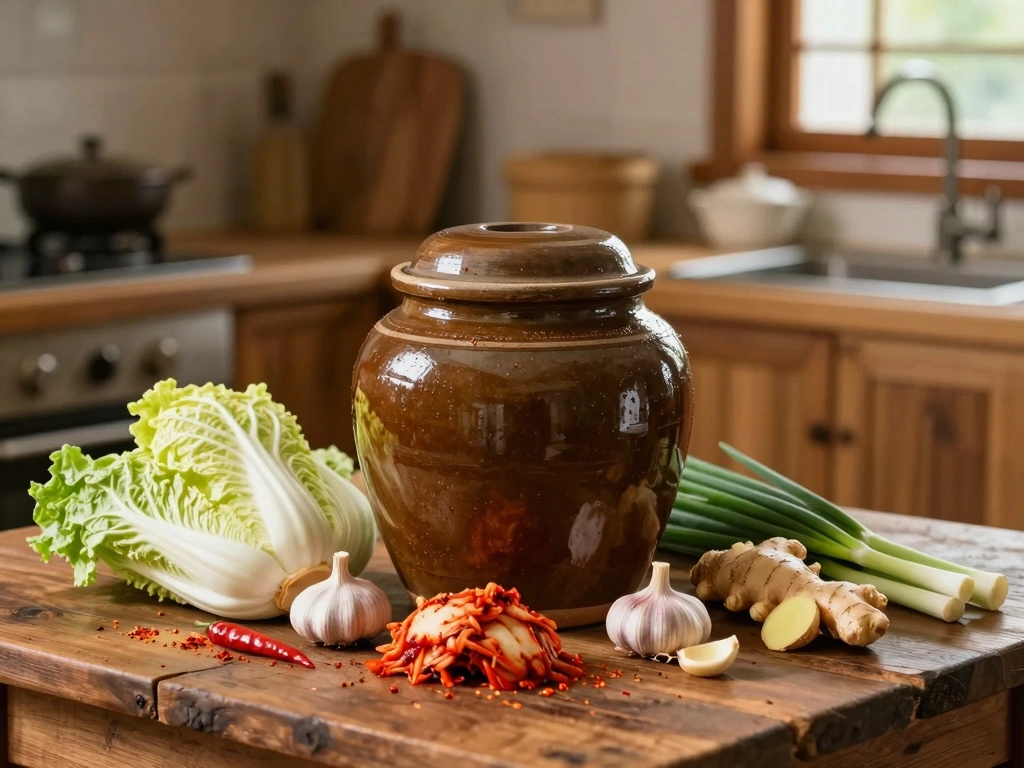
In traditional Korean homes, kimchi is often prepared in large earthenware pots, which provide a stable temperature and consistent environment. However, glass jars can also be used effectively at home, provided they are kept in a cool, dark place.
Choosing the Right Vegetables for Kimchi
The choice of vegetables is paramount in creating a well-balanced and flavorful kimchi. Different types of vegetables can be used based on availability, season, and personal preferences.
Common Vegetables Used in Traditional Recipes
While napa cabbage is the star ingredient, several other vegetables can complement or be used in place of it:
- Green Onions: Add a mild onion flavor.
- Carrots: Provide sweetness and crunch.
- Cucumbers: Offer a refreshing taste, particularly in summer kimchi.
- Mustard Greens: Add a peppery note to the mix.
Seasonal Variations in Vegetable Selection
Kimchi can be made year-round, but the choice of vegetables often depends on the season. In spring, for instance, young radishes and leafy greens are abundant, while winter is the season for hearty napa cabbage and root vegetables. Traditional recipes sometimes highlight these seasonal variations to make the most of the freshest produce available.
Preparing Vegetables for Fermentation
Before fermentation, vegetables must be properly prepared:
- Salting: For cabbage, cut it into quarters and soak it in a saltwater brine for 2 to 6 hours to draw out moisture.
- Rinsing: After salting, rinse the cabbage thoroughly to remove excess salt.
- Chopping: Other vegetables like radishes and carrots should be cut into bite-sized pieces to ensure even fermentation.
Traditional Methods of Preparing Kimchi Paste
The flavor of kimchi largely depends on the paste used for coating the vegetables. The preparation of this paste is an essential step in achieving a balanced and savory kimchi.
Making Gochugaru-Based Paste
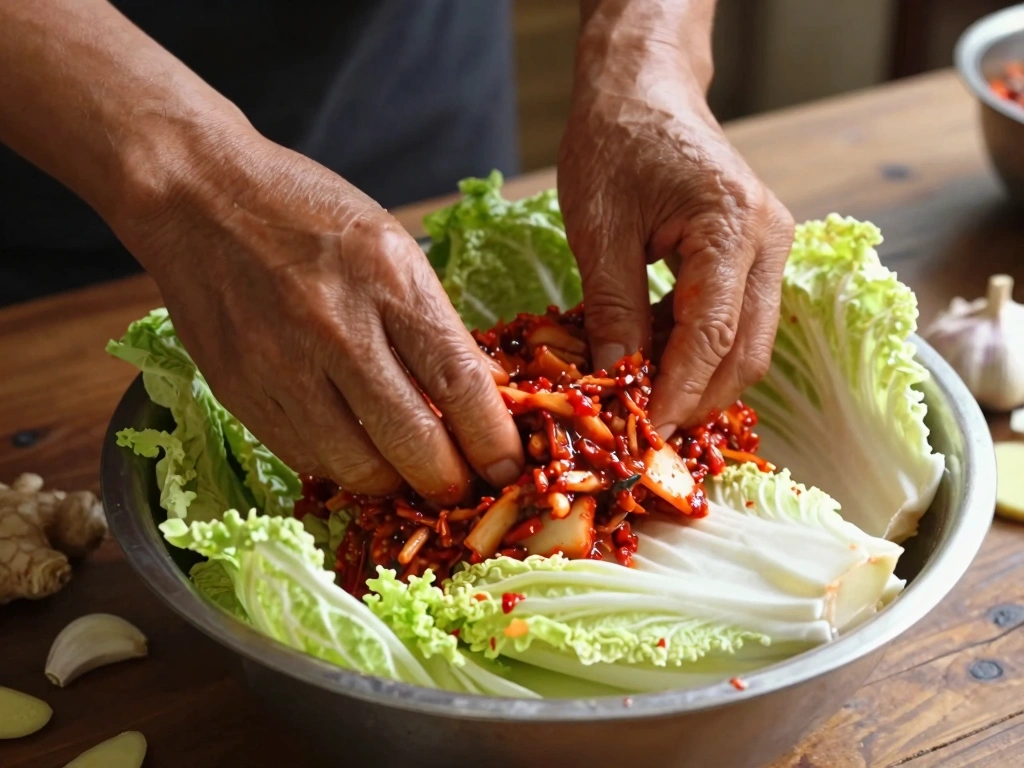
The base for kimchi paste is usually made with gochugaru, which is a coarsely ground Korean red pepper. To make the paste:
- Combine 1 cup of gochugaru with ½ cup of water to create a thick slurry.
- Add minced garlic (1-2 whole heads) and grated ginger (1-2 tablespoons) for flavor.
- Incorporate sugar (1-2 tablespoons) to balance the heat and acidity.
Incorporating Seafood and Other Flavor Enhancers
Traditional kimchi often includes seafood for umami richness. Common additions include:
- Fish Sauce: About ¼ cup adds depth.
- Salted Shrimp: A tablespoon for a briny flavor.
Balancing Flavors in Kimchi Paste
Achieving the right balance of flavors is crucial in kimchi paste. The combination of salty, sweet, and spicy elements should be harmonious. Taste the paste before mixing it with vegetables, adjusting the garlic, sugar, and gochugaru levels as needed.
Fermentation Techniques for Homemade Kimchi
Once the vegetables are prepped and the paste is ready, the next step is fermentation. This is where the magic happens, transforming your ingredients into delicious kimchi.
Using Earthenware Pots vs. Glass Jars
Traditionally, kimchi is fermented in earthenware pots known as onggi. These pots allow for natural airflow and regulate temperature effectively. They also provide a unique environment that enhances the fermentation process. However, glass jars are a popular alternative for home cooks today:
- Onggi: Ideal for larger batches and outdoor fermentation.
- Glass Jars: Convenient for small batches and indoor storage.
Fermentation Time and How to Monitor It
The fermentation time can vary based on temperature and personal taste preferences. Generally, kimchi can ferment for:
- 1-3 days: For a fresh, crunchy texture with mild flavors.
- 4-7 days: For more pronounced sourness and depth.
- 1-2 weeks: For well-developed flavors.
Check the kimchi daily, tasting it to monitor the development of flavors. Press down on the vegetables to ensure they remain submerged in the brine, preventing spoilage.
Understanding the Signs of Proper Fermentation
Properly fermented kimchi will have a tangy, sour aroma and a vibrant red color. The vegetables should be tender yet still crunchy. If the kimchi develops an off smell or unusual colors, it may indicate spoilage, and it’s best to discard it.
Storing and Enjoying Your Fermented Kimchi
Once fermentation is complete, it’s time to store and enjoy your homemade kimchi. The way you store it can significantly affect its longevity and flavor.
Best Practices for Storing Kimchi
Store kimchi in the refrigerator in an airtight container to slow down the fermentation process. Here are some tips:
- Use Clean Utensils: Always use clean utensils when scooping out kimchi to avoid contamination.
- Keep It Submerged: Ensure that the vegetables remain submerged in the brine to prevent oxidation.
- Portioning: Consider dividing your kimchi into smaller jars to enjoy over time.
Pairing Kimchi with Traditional Dishes
Kimchi is incredibly versatile and can enhance a variety of dishes. Some traditional pairings include:
- Kimchi Jjigae: A spicy kimchi stew perfect for cold days.
- Bulgogi: Grilled marinated beef pairs well with the tangy flavors of kimchi.
- Rice: Simple steamed rice is elevated by the addition of kimchi.
Health Benefits of Consuming Fermented Kimchi
Beyond its delicious taste, kimchi offers numerous health benefits. Some of the key advantages include:
- Probiotics: The fermentation process promotes the growth of beneficial bacteria that support gut health.
- Low Calorie: Kimchi is low in calories yet high in fiber, making it a great addition to a balanced diet.
- Rich in Nutrients: Kimchi is packed with vitamins A, B, and C, as well as antioxidants.
In conclusion, fermenting kimchi at home using traditional methods is a rewarding process that combines science, art, and culture. By understanding the fermentation basics, selecting the right vegetables, making a balanced kimchi paste, and employing effective fermentation techniques, anyone can enjoy the delicious and healthful benefits of homemade kimchi. Whether as a side dish or a main component in a meal, kimchi represents a time-honored culinary tradition that continues to delight taste buds around the world.